
협력사 평가
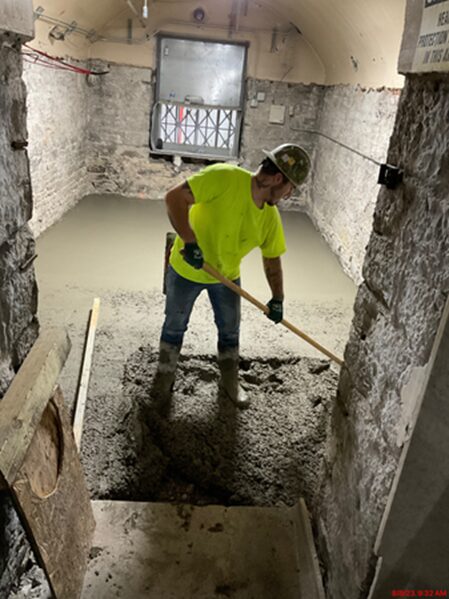
협력사 평가 work is reviewed through scope, schedule, safety and handover standards.
View details →
협력사 상생
Hangyeol Construction presents project scope, quality standards, safety requirements and consultation routes as one practical operating flow.
At a Glance
Content Detail
Key information is arranged as field-ready criteria for prospective clients.
협력사 평가 work is reviewed through scope, schedule, safety and handover standards.
View details →공정 공유 work is reviewed through scope, schedule, safety and handover standards.
View details →품질 교육 work is reviewed through scope, schedule, safety and handover standards.
View details →
Project Contact
Share the site conditions and goals. A project lead will review the request and guide the next step.
01 Site conditions and goals are reviewed together
02 Required materials and scope are clarified
03 The next execution schedule is organized after consultation
Overview
Hangyeol Construction presents project scope, quality standards, safety requirements and consultation routes as one practical operating flow.
Story
Client goals, site constraints and trust signals are organized first.
Offer
Service standards and project records are separated into comparable decision material.
Contact
Summary, evidence, project records and contact routes connect inside Hangyeol’s operating flow.
Operating Flow
01
Keep Hangyeol’s field standard visible first.
02
Arrange service, proof and related records in the order teams review them.
03
Route consultation, estimates and site visit requests to the project desk.
Field Standard
Company profile, service scope, proof points and inquiry actions are managed inside Hangyeol’s field record system.
The main story is supported by proof cards and field flow so visitors can judge the business standard quickly.
Related records and inquiry routes give visitors a clear next step instead of a dead end.
Operating labels and service copy stay localized so global visitors meet the same business standard.
ESG Operation Matrix
Sustainability records show how inspection and improvement activities are managed as an operating flow instead of a statement.
Active operating axis
01Pre-work risk assessment and repeated inspection reduce incident probability.
Waste, noise, dust and energy use are managed as site operating items.
Fair trade, quality inspection and record management share one responsibility structure.
Partner feedback and improvement tasks become standards for the next project.
01
Review client goals and site constraints before defining the scope.
02
Align schedule, safety, quality and handover criteria in one decision flow.
03
Connect similar records and consultation routes so the project desk can assign the next review scope.